
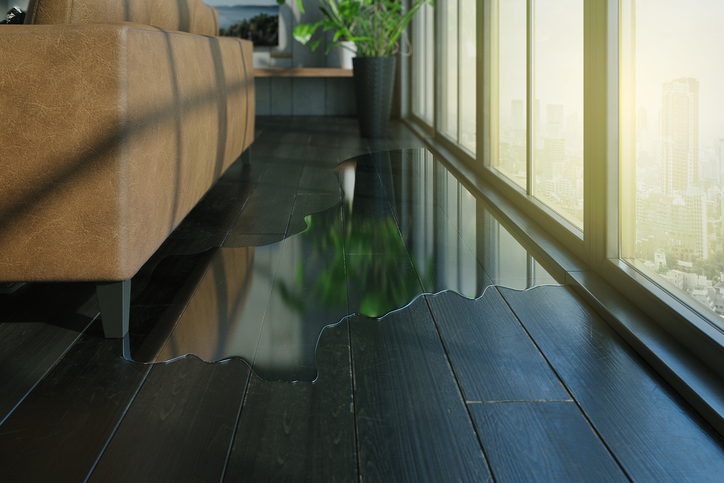
If you’re shopping for new floors and have kids, pets, or just live in a place like the rainy Seattle-Tacoma area, you’ve probably heard that luxury vinyl plank (LVP) is “waterproof.” But is it really? Like most things in construction, the answer is: it depends. At Simple Floor Solutions, we get this question all the time, and it’s an important one. So, let’s break it down and give you a real answer that helps you make the best decision for your home.
What Does “Waterproof” Actually Mean in Flooring?
First off, it’s important to define what “waterproof” means when it comes to flooring. In the context of LVP, it generally means that the planks themselves won’t be damaged by water sitting on the surface for a period of time. But that doesn’t necessarily mean your entire floor system (including the subfloor and underlayment) is protected in the event of a leak.
This distinction is crucial.
Understanding the Two Types of LVP Cores: WPC vs. SPC
There are two primary types of cores used in LVP flooring:
1. WPC (Wood Plastic Composite)
WPC flooring contains wood fibers mixed with plastic polymers. This type of flooring tends to be slightly softer and warmer underfoot, which makes it a comfortable option for bedrooms or living areas.
But because it contains wood fibers, WPC is not 100% waterproof. If water gets underneath the floor and into the core, it can swell, warp, or even separate over time. So, while WPC can resist water on the surface, it has its limits when it comes to extended exposure.
2. SPC (Stone Plastic Composite)
SPC flooring, on the other hand, is made of a dense combination of limestone and plastic. This makes it completely waterproof in terms of the core. Even if water seeps underneath the planks, the core material won’t swell or get damaged.
SPC is more rigid and durable, which makes it a better choice for kitchens, bathrooms, basements, and homes in wetter climates like ours in Washington State.
Not All LVP Is Created Equal: Locking System Matters
Another critical detail that most homeowners don’t consider is how well the planks lock together.
Cheaper LVP floors tend to have weaker locking systems, which can allow water to seep through the joints and get to the subfloor. Once water gets underneath the flooring, it can sit trapped between the subfloor and the planks, leading to mold, mildew, or damage to your subfloor.
Higher-quality LVPs, especially those made by reputable manufacturers, have tighter locking mechanisms that make it much harder for water to get in.
This is why we always recommend choosing quality over price—especially in homes with pets, kids, or where water spills are likely.
What About Spills and Accidents?
Here’s the good news: if you spill a drink or your pet has an accident, and you wipe it up within a few hours, your LVP floor is going to be fine. These types of floors are designed to withstand everyday mishaps like splashes, muddy boots, and even the occasional overflow from a bathtub.
What About Big Leaks?
Now let’s talk about worst-case scenarios—like a refrigerator line leaking or a washing machine hose bursting.
Even though your LVP might be marketed as waterproof, that doesn’t mean you’re in the clear. In a major leak, the water can run for hours or even days, getting underneath your floors and soaking into:
- Your subfloor
- Wall framing
- Cabinets and baseboards
In this case, it’s not the LVP that fails. It’s everything around it that’s affected. So while SPC LVP will likely survive the flood, your subfloor and structure may not.
This is why we always remind clients that waterproof doesn’t mean invincible. If you have concerns about flooding or water leaks, it’s worth looking into moisture barriers, waterproof underlayments, or even working with a plumber to make sure appliances are secure.
So, Is LVP Flooring Waterproof?
The short answer: Yes and no.
- Yes, the planks themselves are waterproof—especially if you go with SPC.
- No, your floor system isn’t flood-proof. Water can still get underneath the planks, especially with poor locking systems or cheap products.
The real benefit of LVP is that it’s highly water-resistant, durable, and low maintenance. It’s the most practical option for homes in the Pacific Northwest that face wet weather year-round.
Our Top Recommendation for the Seattle-Tacoma Area
If you live anywhere in the greater Seattle-Tacoma area, we almost always recommend a high-quality SPC LVP floor. Why?
- It holds up against rain, mud, and snow
- It doesn’t swell or expand with changing temperatures
- It’s easy to clean and maintain
- It gives you the look of hardwood at a fraction of the cost
Final Thoughts
When it comes to choosing new floors, especially in a wet climate like ours, it’s not just about style—it’s about longevity and performance. LVP (especially SPC) offers a waterproof solution that can handle just about anything life throws at it.
But remember: installation quality, locking system, and brand choice all matter just as much as the label on the box.
Still have questions? Contact Simple Floor Solutions and we’ll walk you through it.