
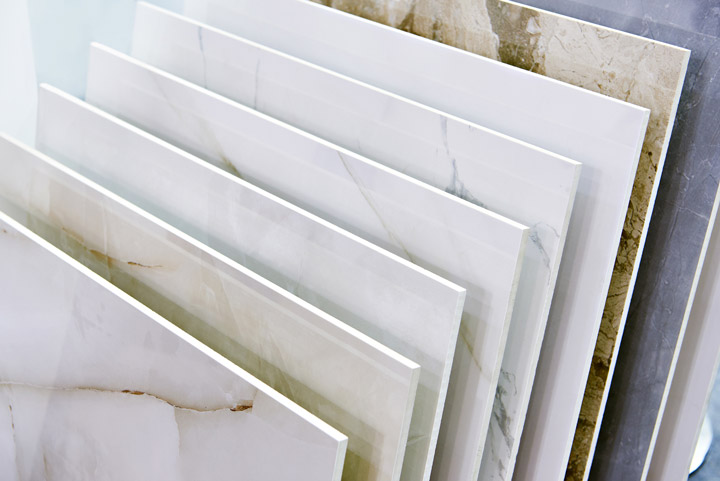
When it comes to choosing tile for your home, two popular options stand out: ceramic and porcelain. At first glance, these materials can look and feel very similar—but there are some key differences in how they’re made, how they perform, and where they’re best used.
What Is Ceramic Tile?
Ceramic tile is made from a mixture of natural clay, sand, and water. The tiles are shaped, glazed, and then baked at a lower temperature than porcelain. This results in a slightly more porous material that is easier to cut and typically lighter in weight.
Common uses for ceramic tile:
- Bathroom floors
- Backsplashes
- Shower walls
- Kitchen floors
Ceramic is available in a wide range of styles and colors, making it a versatile and cost-effective choice for homeowners.
What Is Porcelain Tile?
Porcelain tile is a type of ceramic tile, but it’s made using a more refined clay and fired at much higher temperatures. This makes porcelain denser, more durable, and less porous than standard ceramic.
Common uses for porcelain tile:
- High-traffic areas
- Outdoor patios and walkways
- Commercial spaces
- Bathrooms, laundry rooms, and kitchens
Porcelain can also be made to mimic natural stone, wood, or even fabric, giving homeowners a wide variety of stylish options with increased durability.
Key Differences Between Ceramic and Porcelain Tile
- Density: Ceramic is less dense and more porous; porcelain is denser and more water-resistant.
- Durability: Ceramic is good but softer; porcelain is extremely durable and hard.
- Water Resistance: Ceramic is moderate (often needs sealing in wet areas); porcelain is excellent for wet areas.
- Ease of Cutting: Ceramic is easier to cut and shape; porcelain requires special tools.
- Cost: Ceramic is generally more affordable; porcelain is usually more expensive.
- Best For: Ceramic works well on walls, backsplashes, and light floors; porcelain is best for high-traffic floors and outdoor areas.
Pros and Cons of Ceramic Tile
Pros:
- Affordable
- Easy to cut and install
- Wide variety of styles and colors
- Lightweight
Cons:
- Less water-resistant than porcelain
- Not as durable in high-traffic areas
- Can chip more easily
Pros and Cons of Porcelain Tile
Pros:
- Extremely durable
- Water- and stain-resistant
- Great for indoor and outdoor use
- Excellent choice for radiant heating systems
Cons:
- Typically more expensive than ceramic
- Harder to cut and install
- Heavier, which may require extra support in certain applications
Which One Is Better?
The answer depends on your specific needs, your lifestyle, and where the tile is going.
Bathrooms and Wet Areas
Porcelain is the clear winner in wet areas due to its lower water absorption rate and better overall moisture resistance.
Budget-Friendly Remodels
Ceramic tile is a great option when working within a tighter budget, especially for walls or light-traffic areas like powder rooms or guest bathrooms.
High-Traffic or Outdoor Areas
Porcelain’s density and strength make it better suited for spaces with heavy foot traffic or exposure to the elements, such as kitchens, mudrooms, and covered patios.
DIY Projects
If you’re a homeowner taking on a tile project yourself, ceramic may be easier to work with. It’s simpler to cut, lighter to handle, and doesn’t require as many specialty tools.
Visual and Design Options
Both ceramic and porcelain tiles offer stunning visuals, including:
- Wood-look planks
- Marble and stone effects
- Bold colors and patterns
Porcelain tends to offer more high-end finishes and hyper-realistic textures, especially when mimicking stone or wood. Ceramic, on the other hand, shines when it comes to color variety and artistic designs, especially for backsplashes and statement walls.
What About Maintenance?
Both ceramic and porcelain are fairly low-maintenance. Here are a few tips to keep them looking great:
- Sweep or vacuum regularly to remove dirt and debris
- Mop with mild cleaner (avoid harsh chemicals)
- Seal grout lines to prevent stains and mildew
- For ceramic: Consider sealing the tile surface in moisture-prone areas
Final Thoughts
Whether you go with ceramic or porcelain tile, both can be excellent choices that add value and beauty to your home. The key is choosing the right product for your space, lifestyle, and budget.
Still have questions? Contact Simple Floor Solutions and we’ll walk you through it.